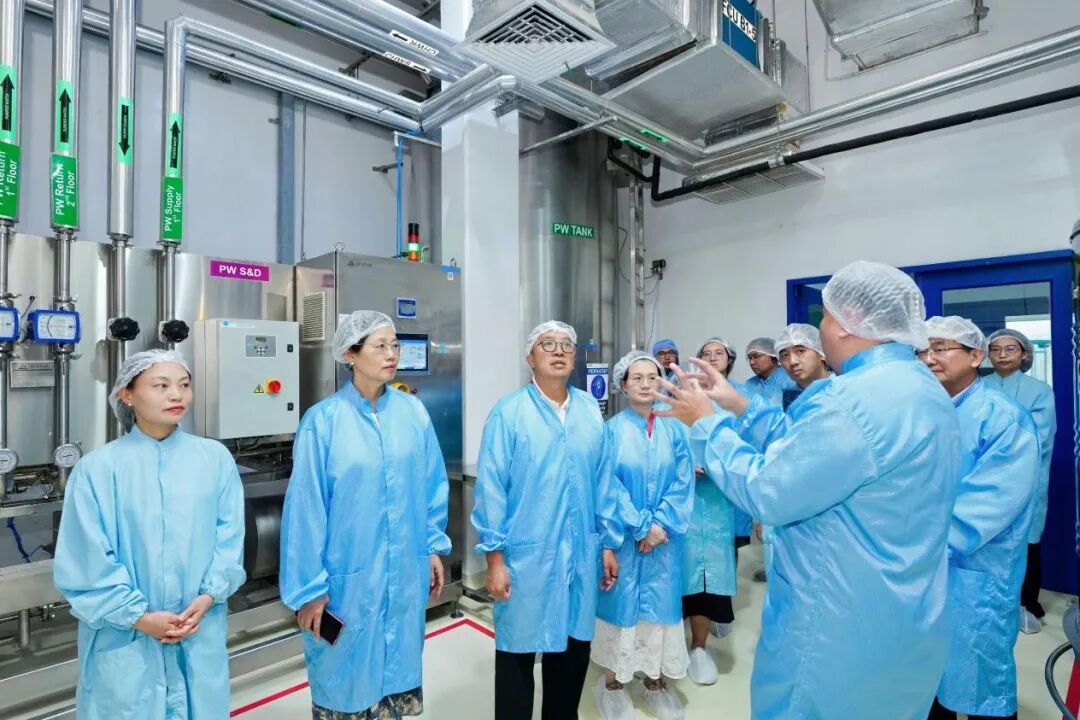
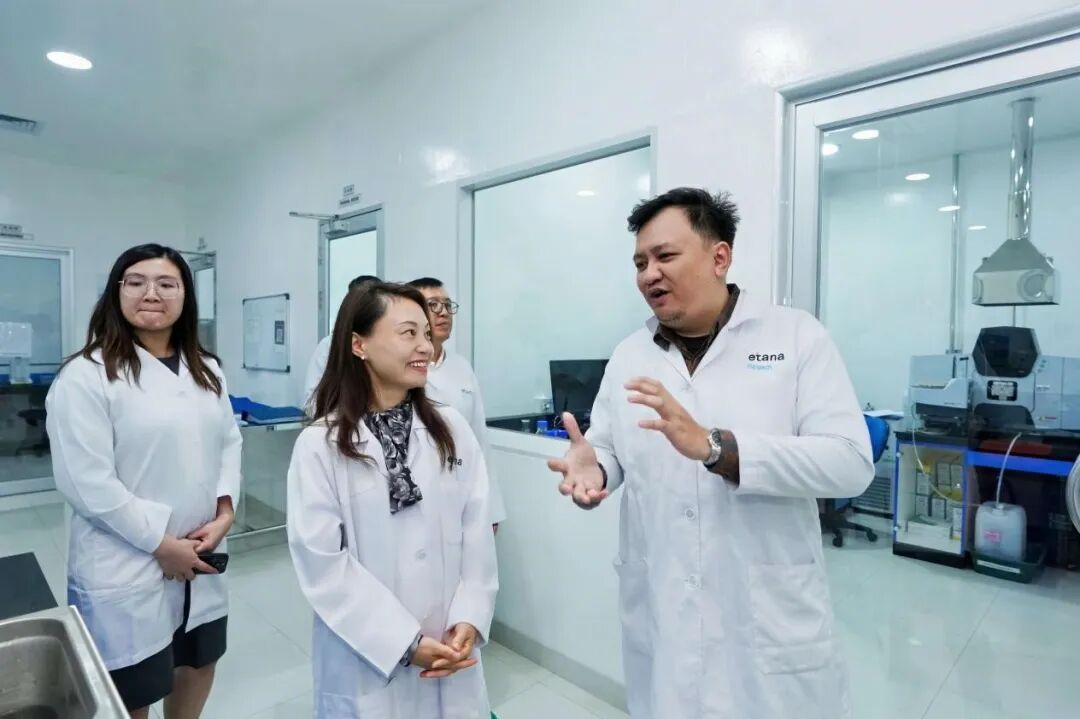
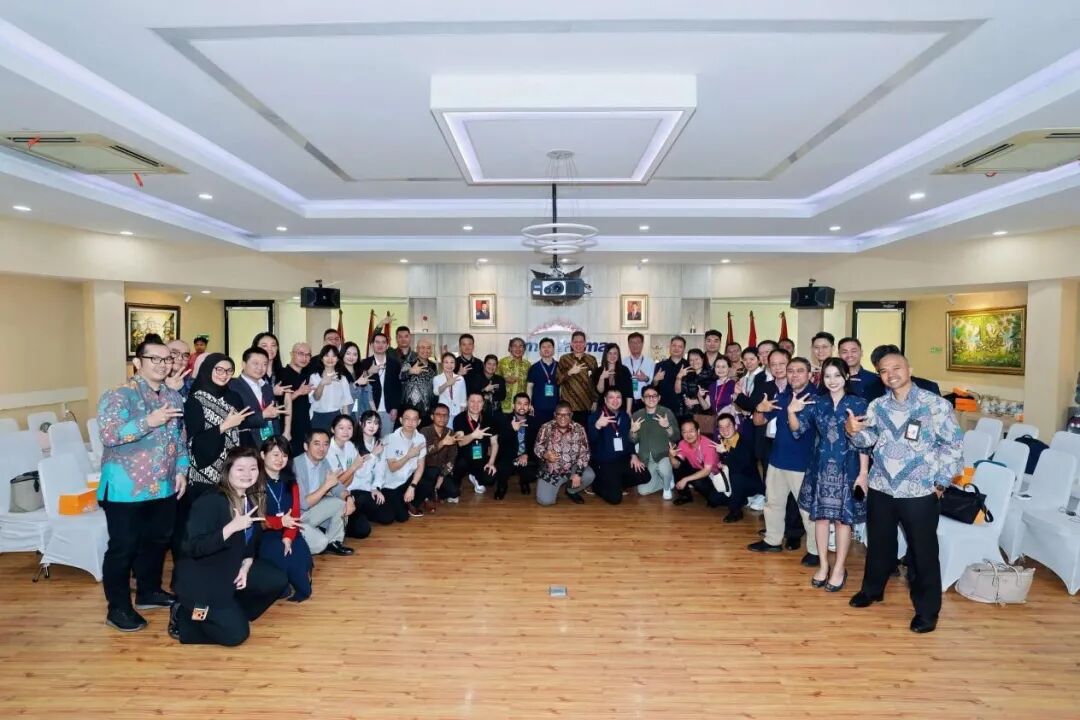
In September 2026, Huang Rui, Deputy General Manager of Shanghai Kylin Lab, was invited by the Macao Trade and Investment Promotion Institute to join a business mission to Singapore, Indonesia and Malaysia. During the trip, Kylin Lab signed agreements with PT Etana Biotechnologies Indonesia and PT Inovasi Era Nusantara on cooperation for new drugs and innovative technologies in stroke. Letters of intent for collaboration were also reached with multiple institutions including Singapore LSI, Indonesia Kimia and Malaysia CRM.

The Macao-Hengqin and mainland delegation consisted of over 120 participants covering high-tech industries, TCM healthcare, cross-border e-commerce, halal certification, investment and financing services and other sectors, building a high-quality communication platform for partnerships in the ASEAN market. As a CRO enterprise specializing in central nervous system research, Kylin Lab’s mission of “staying clinically oriented to accelerate translation of high-quality CNS therapeutics” was recognized by leading local enterprises in the visited countries, which extended invitations for cooperation.
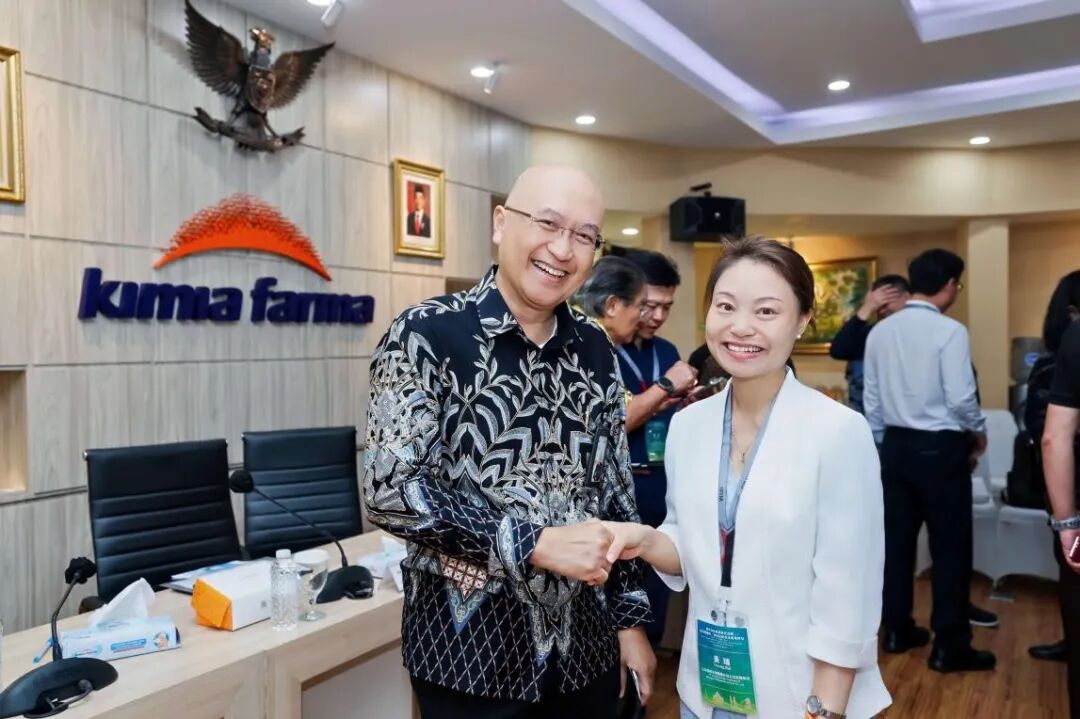

Indonesia, one of the visited nations, is the world’s fourth most populous country. Stroke ranks as the leading cause of death in Indonesia, accounting for 18.5% of all national fatalities. Leveraging extensive experience in stroke research projects, Kylin Lab will help establish the China-ASEAN Stroke Translational Research Alliance to support stroke prevention and treatment across ASEAN member states.
Kylin Lab’s Service Strengths in Stroke Research
Model Capabilities
Kylin Lab has established a mature stroke animal model platform covering mainstream modelling approaches for ischemic stroke to support mechanism research and pharmacodynamic evaluation of diverse drug candidates.
• Mouse / rat tMCAO (transient middle cerebral artery occlusion) model: Reversible focal cerebral ischemia-reperfusion injury induced by the intraluminal suture method. Laser speckle flowmetry is available for real-time cerebral blood flow monitoring to track dynamic perfusion changes pre- and post-ischemia. Widely applied for pathological mechanism investigation and efficacy assessment of therapeutic agents for ischemic stroke.
Validation of tMCAO model performance
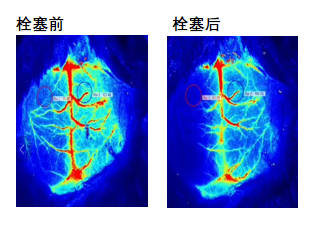
Validation of tMCAO model performance
• Rat eMCAO (embolic middle cerebral artery occlusion) model: Autologous or allogeneic blood clots are injected into the origin of the rat middle cerebral artery via the internal carotid artery to trigger vascular occlusion and focal cerebral ischemia. This model closely mimics human thromboembolic stroke and is suitable for preclinical research related to rt‑PA thrombolysis and vascular recanalization.
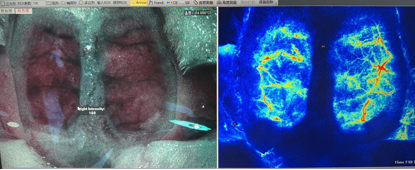
Validation of eMCAO model performance
• Rat BCAS (bilateral common carotid artery stenosis) model: Micro-coils are placed around bilateral common carotid arteries to induce controllable vascular stenosis, leading to persistent chronic cerebral hypoperfusion, white matter injury and cognitive decline without acute cerebral infarction. This preclinical model simulates cerebral small vessel disease and vascular cognitive impairment.
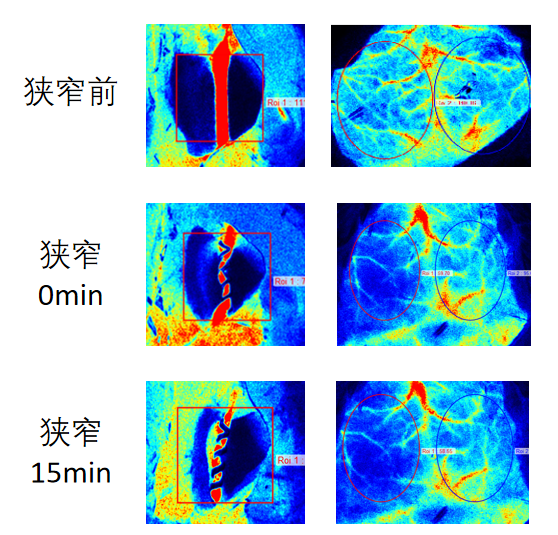
Validation of BCAS model performance
Expertise Strengths
The Kylin Lab team has hands-on preclinical research experience with drugs such as edaravone and is proficient in the full workflow of stroke pharmacodynamic evaluation. End-to-end services are available including animal modelling, neurological function scoring, infarct volume measurement, histopathology and molecular biomarker detection.

KylinLab
CNSxplore | Pioneering CNS Drug Discovery--In vitro and in vivo, Beyond limits
Kylin Lab is a preclinical CRO company specializing in central nervous system (CNS) diseases, dedicated to offering one stop solutions for CNS drug discovery. With a portfolio of fully-validated cellular and animal disease models, combined with comprehensive research and analytical capabilities, we empower clients to accelerate the development of innovative therapies and reduce clinical trial risks.
Kylin Lab boasts an experienced technical team well-versed in international regulations, along with high-standard experimental platforms. Our core technologies include AI-driven phenotypic screening, humanized stem cells and organoids, electrophysiology, high-throughput electroencephalography (EEG), histology, and molecular biology. Our expertise spans a broad range of areas including Alzheimer’s disease, Parkinson’s disease, depression, schizophrenia, spinal muscular atrophy (SMA), pain, and stroke etc.
Since its establishment, Kylin Lab has adhered to the philosophy of “Pioneering R&D, Leading in technology Quality-first, Customer-centric.” We have served hundreds of clients, successfully completed numerous thematic research projects and IND submissions, and established a high-quality, stable, and forward-looking efficacy evaluation system.