Diabetic peripheral neuropathy (DPN) is one of the most common chronic complications of diabetes mellitus. China has a large population of diabetic patients. Research data show that the prevalence of DPN among patients with type 2 diabetes can reach 52.9%, and approximately 19.2% of these patients further develop diabetic peripheral neuropathic pain (DPNP). Among diabetic patients with a disease course exceeding 10 years, the prevalence of DPN rises to 34.5%.
Globally, neuropathic pain symptoms occur in roughly 10%–30% of diabetic patients. In the United States, the total annual cost for treating DPNP and its complications (such as foot ulcers and amputations) is estimated to range from USD 4 billion to 13 billion; up to 27% of direct diabetes-related medical expenses are attributable to DPN.
Pathological Research on DPNP
Chronic hyperglycemia is the initiating factor for the onset and progression of DPNP. Persistent hyperglycemia creates a detrimental metabolic milieu for peripheral nerves. By activating multiple collateral glucose-utilizing pathways, it triggers a cascade of injurious responses. The underlying mechanisms are summarized below.
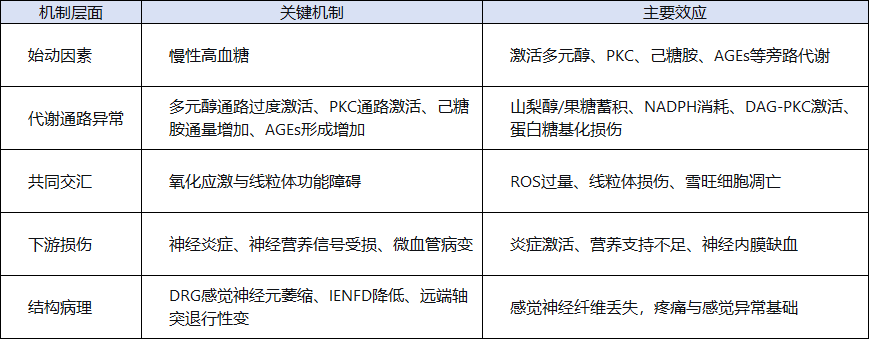

Current Therapeutic Landscape and Cutting-Edge Pipeline Candidates
Current clinical treatments mainly focus on symptomatic pain relief. Nevertheless, 30%–40% of patients suffer from refractory pain that cannot be adequately controlled. Therefore, developing innovative drugs with novel mechanisms of action carries substantial practical significance. Available therapeutic agents can be categorized by their mechanisms of action as follows:
• Calcium channel α2δ ligands: Exert analgesic effects by suppressing neuronal hyperexcitability. Common adverse reactions include dizziness, somnolence and peripheral edema, and inadequate efficacy is observed in some patients. Approved drugs include pregabalin, mirogabalin and gabapentin. Pipeline research targets novel subtype-selective molecules optimized from mirogabalin-like scaffolds to enhance target selectivity and improve tolerability.
• Ion channel targets: Pipeline candidates in this field focus on Nav1.7/Nav1.8 and TRPV1 antagonists, designed to block peripheral nociceptive signal transmission. Multiple domestic pharmaceutical companies have advanced candidates into Phase I–II clinical trials, aiming to achieve peripherally selective analgesia and reduce central side effects. No drugs have yet been approved for the DPNP indication.
• SNRI antidepressants: Represented by duloxetine, which acts by modulating the descending pain inhibitory pathway. Nausea and fatigue are common adverse events; this class is suitable for patients with comorbid mood disorders.
• Targets for neuroinflammation and central sensitization: Pipeline agents include chemokine receptor CCR2/CCR5 and Sigma-1 receptor antagonists, which intervene in neuroinflammation and central sensitization. Preclinical data are promising, and several molecules have entered early-stage clinical development.
• Novel peripheral-targeted analgesic mechanisms: Nicotinic receptor and CB2 receptor agonists produce analgesia via peripheral targeting to avoid central adverse reactions; differentiated administration routes are also under investigation.
• Disease-modifying agents: Aldose reductase inhibitors such as epalrestat suppress abnormalities in the polyol pathway, ameliorate metabolic disturbance and alleviate neuropathy.
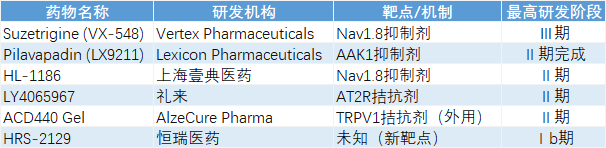
Progress of Selected DPNP Pipeline Drugs
Overall, the therapeutic paradigm for DPNP is shifting from conventional central analgesia toward diversified directions including peripheral targeting, neuroinflammation modulation and disease modification.

Kylin Lab Pain Animal Models
Kylin Lab maintains a diverse panel of pain animal models and a standardized pain testing platform, providing core tools for validating the analgesic efficacy and nerve injury repair capacity of candidate compounds and supporting in vivo pharmacodynamic studies of analgesic drugs.
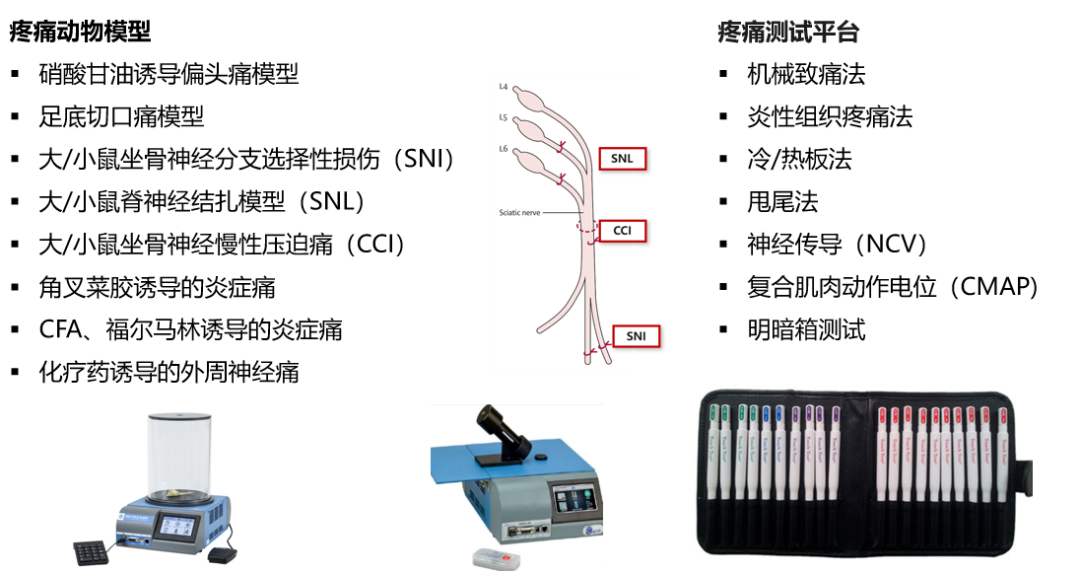
Kylin Lab can establish multiple neuropathic pain animal models and conduct standardized pharmacodynamic evaluation. Taking the diabetic peripheral neuropathy (DPN) model as an example, we generate mouse and rat models and perform a full panel of in vivo pharmacodynamic assays for DPN drug candidates, accelerating R&D of novel analgesics.
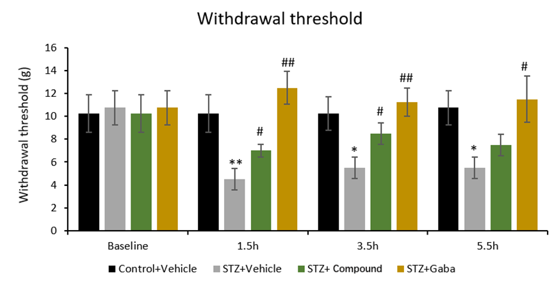
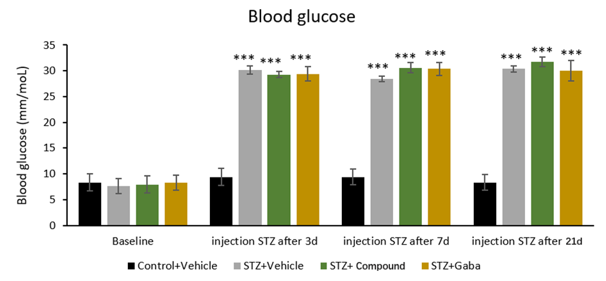
Experimental results of pharmacodynamic effects of test compounds assessed in the DPNP model

References:
Jinxi Zhu, Ziyan Hu, Yifan Luo, et al, Diabetic peripheral neuropathy: pathogenetic mechanisms and treatment, Front Endocrinol (Lausanne) . 2024 Jan 9;14:1265372.
《周围神经病理性疼痛诊疗中国专家共识2020》
智慧芽数据库
KylinLab
CNSxplore | Pioneering CNS Drug Discovery--In vitro and in vivo, Beyond limits
Kylin Lab is a preclinical CRO company specializing in central nervous system (CNS) diseases, dedicated to offering one stop solutions for CNS drug discovery. With a portfolio of fully-validated cellular and animal disease models, combined with comprehensive research and analytical capabilities, we empower clients to accelerate the development of innovative therapies and reduce clinical trial risks.
Kylin Lab boasts an experienced technical team well-versed in international regulations, along with high-standard experimental platforms. Our core technologies include AI-driven phenotypic screening, humanized stem cells and organoids, electrophysiology, high-throughput electroencephalography (EEG), histology, and molecular biology. Our expertise spans a broad range of areas including Alzheimer’s disease, Parkinson’s disease, depression, schizophrenia, spinal muscular atrophy (SMA), pain, and stroke etc.
Since its establishment, Kylin Lab has adhered to the philosophy of “Pioneering R&D, Leading in technology Quality-first, Customer-centric.” We have served hundreds of clients, successfully completed numerous thematic research projects and IND submissions, and established a high-quality, stable, and forward-looking efficacy evaluation system.